
 24 Hour Emergency Aid
Imagine gaining the confidence to handle everyday tasks with greater ease and independence. Life skills development sessions are designed to turn everyday challenges into practical learning opportunities through real-world experiences. If you’re curious about what actually happens during these sessions, you’re not alone.
Many people exploring NDIS Life Skills Development Gold Coast want a clear understanding of what to expect before taking the first step. This guide explains how a typical session works, why it matters, and how consistent practice helps build valuable everyday skills.
What Is a Life Skills Development Session?
A life skills development session is a practical learning experience that helps people build everyday abilities through real-life activities. Rather than sitting in a classroom, participants learn by doing, practising, and repeating skills that make daily routines easier and more rewarding.
These sessions focus on progress at a comfortable pace while encouraging confidence and independence.
What Does a Typical Life Skills Development Session Actually Look Like?
A typical session starts with a friendly conversation about the day’s goal. From there, each activity is completed step by step in a supportive environment. The focus is on building practical habits that can be used every day.
People looking for NDIS life skills development in Gold Coast often want to understand what really happens during these sessions before getting started.
Every Session Starts with Clear Goals
No two people have the same goals. One session may focus on preparing a simple meal, while another could involve learning how to organise a shopping list or plan a weekly routine.
Breaking activities into smaller, achievable steps makes learning more enjoyable and helps build confidence over time.
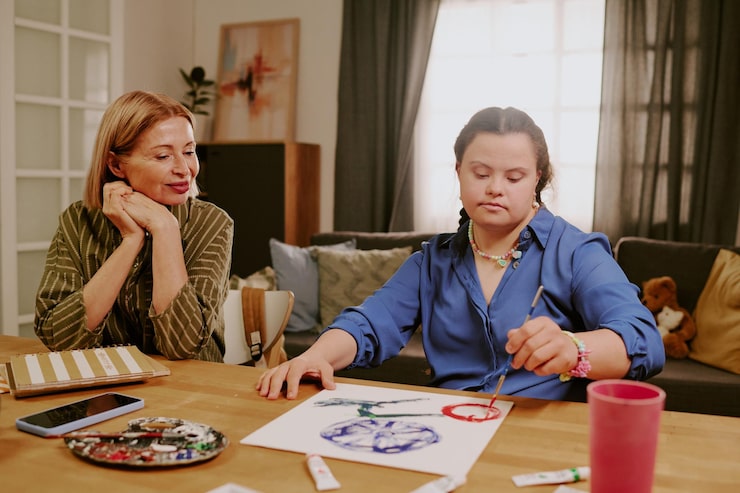
Learning Through Everyday Activities
Life skills are best learned through practice. Instead of simply explaining a task, the session encourages active participation.
Activities may include:
- Preparing simple meals
- Grocery shopping
- Budgeting for everyday expenses
- Using public transport
- Household organisation
- Time management
- Building communication skills
- Planning appointments
Each activity reflects situations that happen in everyday life, making the learning meaningful and practical.
How Do NDIS Providers Gold Coast Support These Sessions?
What role do NDIS providers in Gold Coast play?
They guide each session with patience, encouragement and practical instruction. The focus stays on helping participants practise everyday tasks safely while developing confidence through consistent support.
Experience, clear communication and respectful guidance all contribute to positive learning outcomes.
Why Is Repetition So Important?
Learning a new skill rarely happens in one attempt.
Repeating familiar activities helps improve confidence and creates routines that become easier over time. Small achievements often lead to greater independence and a stronger sense of accomplishment.
What Makes Every Session Different?
Some days focus on cooking.
Other days may involve budgeting, travelling safely or improving communication in everyday situations.
A flexible approach keeps learning relevant while allowing steady progress without unnecessary pressure.
Many families exploring NDIS Life Skills Development Gold Coast appreciate this practical, hands-on approach because it reflects real daily experiences.
Measuring Progress Without Pressure
Success is not measured by perfection.
Instead, progress is seen through growing confidence, improved decision-making and greater independence with everyday routines. Even small improvements deserve recognition because they contribute to long-term success.
Final Thoughts
A life skills development session is much more than learning everyday tasks. It is an opportunity to build confidence through practical experience, steady progress and meaningful achievements. Every session focuses on real-life situations, making each new skill valuable both today and well into the future.
Choosing experienced NDIS providers in Gold Coast can make the learning journey more consistent, practical and rewarding through structured everyday guidance. With regular practice and the right support, everyday skills can become lasting habits that encourage greater confidence and independence.
At Ibex Life Care, our NDIS Life Skills Development services focus on building everyday confidence, practical abilities, and greater independence through meaningful real-world learning.
Frequently Asked Questions (FAQs)
2. How long does a typical session last?
Most sessions range between one and three hours, depending on individual goals, planned activities and learning pace.
3. Who can benefit from NDIS Life Skills Development Gold Coast?
Anyone seeking greater confidence with everyday routines, communication, budgeting, cooking or community participation may benefit from NDIS Life Skills Development Gold Coast. These practical learning sessions may help them.
4. Are sessions always conducted indoors?
No. Many sessions include real-world experiences such as shopping, using public transport or visiting community locations to practise practical skills.
5. What do NDIS providers Gold Coast usually focus on during sessions?
NDIS providers Gold Coast encourage practical learning, consistent practice, respectful communication and gradual skill development that supports everyday independence.
6. Can goals change over time?
Yes. As confidence grows, new goals can be introduced to reflect changing interests, abilities and everyday priorities.
7. How often are life skills sessions held?
The frequency varies depending on individual goals, available supports and preferred learning pace. Regular practice usually produces stronger outcomes.
8. Why is NDIS Life Skills Development Gold Coast becoming increasingly popular?
More people value practical learning that improves everyday confidence through realistic activities rather than theory alone, making these sessions highly relevant.
9. How do NDIS providers Gold Coast encourage long-term progress?
They reinforce practical routines, celebrate small achievements and provide consistent guidance so everyday skills become natural over time.
10. What should someone expect from their first session?
The first session usually includes discussing goals, understanding current abilities and completing simple activities that establish a comfortable starting point for future learning.
Comments are closed